mindfulness expert certification
University Course
Specialization in
Leadership and Social Intelligence
Certified by EUNEIZ
euneiz
REQUEST INFORMATION
Online Format
6 credits (*)
150 hours
Live classes
Personalized support
Welcome to a training journey designed to transform the way you understand, feel and act around well-being. You will develop a more positive and resilient mindset, learning to make the most of your strengths and internal resources.

What will you
learn?IEPP smile

1

Leadership models

Be able to identify and apply transformational leadership approaches, positive, service-based and strengths-based in different organizational contexts.

2

Personal leadership

Design and apply an individual plan that integrates the learning acquired, strengthening one's own leadership style and its impact on the professional environment.

3

Decision making

Change management and decision making in uncertain environments. Develop the capacity to adapt, facilitating transformation processes in organizations and teams through decision-making based on social and emotional intelligence.

4

Leadership development

Ability to evaluate and reflect on one's own performance as a leader. Conduct periodic self-assessments to measure progress in leadership development, identify areas for improvement and consolidate continuous and adaptive learning.

5

Management of diversity and emotions

Understand the impact of diversity and collective emotions in the work environment, applying strategies to promote an inclusive, motivating and well-being-oriented organizational climate.

6

Manage your emotions

You will gradually understand how emotions work in your brain, in your daily life and throughout life, which will help you manage your emotional responses from a scientific and practical perspective.

Own degree certified by the EUNEIZ university

We care about your learning

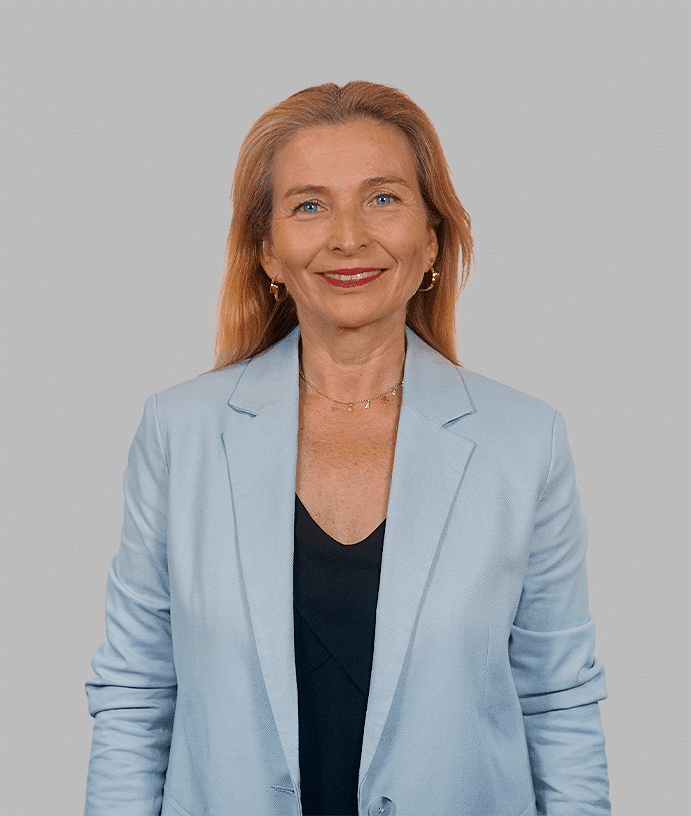
Rocio Trillo IEPP psychologist

A great team will be attentive, will closely support you in your learning and will accompany you step by step in this revolution that is changing professionals.

Rocío Trillo Holgado

Psychologist and trainer

Col. Nº M-35760

This training is the only one that combines Emotional Intelligence with the latest advances in Positive Psychology to enhance people's well-being and improve the functioning of groups through the effective management of emotions.

We have brought together all the knowledge that is changing the way in which professionals are able to generate real change and a new lifestyle based on the management of emotions and strengths. We have unified everything in the same space, so that you can enjoy this training in an intuitive and simple way.

  • Psychologist (Health Psychology and Work and Organizational Psychology).
  • Expert in Mindfulness in Health Contexts.
  • Expert in Psychological Coaching.
  • Training in EMDR.

Teaching team

Rebéca Gómez

Psychologist, Master's Tutor and specialist in Positive Education

Aroa Ruíz

Psychologist specialized in Emotional Intelligence and Mindfulness Instructor

Juan Nieto

Psychologist and Director of the Positive Therapy Center

Eva Herber

Eva Herber

Psychologist, Coach and IEPP Trainer

Alba Diez

Psychologist and HUB manager

Alba Diez

Syllabus

BLOCK I: Current challenges and importance of leadership

  • 1.1 Introduction and objectives
  • 1.2 Evolution of the work environment
  • 1.3 How to address these challenges
  • 1.4 References

BLOCK II: Transformational leadership

  • 2.1 Introduction and objectives
  • 2.2 Transformational leadership
  • 2.3 Models and components of transformational leadership
  • 2.4 Application of transformational leadership
  • 2.5 Transformational leadership today
  • 2.6 Bibliographic references.

BLOCK III: Positive leadership

  • 3.1 Introduction and objectives
  • 3.2 Positive leadership
  • 3.3 Kim Cameron's positive leadership model
  • 3.4 Key competencies of the positive leader
  • 3.5 Recognition and appreciation of talent
  • 3.6 References

BLOCK IV: Servant leadership

  • 4.1 Introduction and objectives
  • 4.2 Servant leadership
  • 4.3 Main theoretical models
  • 4.4 Measuring servant leadership
  • 4.5 Inspiring examples of servant leadership
  • 4.6 References

BLOCK V: Strengths-based leadership

  • 5.1 Introduction and objectives
  • 5.2 Strengths-based leadership
  • 5.3 Benefits of strengths-based leadership
  • 5.4 Application of strengths-based leadership
  • 5.5 Strategies towards emotional balance
  • 5.8 Bibliography

BLOCK VI: Social intelligence

  • 6.1 Introduction and objectives
  • 6.2 Social intelligence and leadership
  • 6.2 Social intelligence
  • 6.3 How emotions influence us
  • 6.4 Models and components of social intelligence
  • 6.5 Latest research in social intelligence
  • 6.6 References

BLOCK VII: Cooperation and teamwork

  • 7.1 Introduction and objectives
  • 7.2 The value of cooperation
  • 7.3 Emotional intelligence in work teams
  • 7.4 XX
  • 7.5 References

BLOCK VIII: Decision making

  • 8.1 Introduction and objectives
  • 8.2 The case of Lola and her friends
  • 8.3 Decision making
  • 8.4 The responsibility of choosing well
  • 8.6 References

BLOCK IX: Change management

  • 9.1 Introduction and objectives
  • 9.2 Organizational change
  • 9.3 Dynamics of change: fundamental models
  • 9.4 The practical side of change
  • 9.5 Implementing change
  • 9.6 References

BLOCK X: Time management and work-life balance

  • 10.1 Introduction and objectives
  • 10.2 Fundamentals of time management
  • 10.3 Time thieves
  • 10.4 Time management and stress
  • 10.5 Planning
  • 10.6 Conciliation: balance between personal and work life
  • 10.5 References

BLOCK XI: Effective social and professional relationships

  • 11.1 Introduction and objectives
  • 11.2 Effective social and professional relationships
  • 11.3 Keys to building effective relationships
  • 11.4 Networking
  • 11.5 References

BLOCK XII: Collective emotions and business culture

  • 12.1 Introduction and objectives
  • 12.2 Collective emotions
  • 12.3 Organizational culture
  • 12.4 Interaction between collective emotions and business culture
  • 12.5 Management of collective emotions in organizations
  • 12.6 References

BLOCK XIII: Emotions, diversity and inclusion

  • 13.1 Introduction and objectives
  • 13.2 Diversity
  • 13.3 The need to belong to a group and categorize reality
  • 13.4 Prejudices and stereotypes
  • 13.5 Practical tools
  • 13.6 References

BLOCK XIV: Emotional intelligence and ICT

  • 14.1 Introduction and objectives
  • 14.2 Relationship between the use of ICTs and emotions
  • 14.3 Emotional consequences of inappropriate use of ICTs
  • 14.4 Social consequences of inappropriate use of ICTs
  • 14.5 Guidelines from emotional management: practical cases
  • 14.6 References

Other resources you have in training:

Testing center

Assessment center with easy-to-interpret tools to measure aspects such as well-being or emotional management, including the exclusive balanced strengths test (FORTE)

Complementary material

You will have access to an extensive library with multiple readings and videos to explore the concepts that interest you most in greater depth.

Access requirements

  • Be over 18 years old.
  • Have an interest in personal growth and positive psychology.
  • Have a stable internet connection.
  • Have electronic devices to access video lessons and online resources.
  • A commitment to self-reflection is required.
  • It will be necessary to put the learned techniques into practice to ensure a transformative training experience.

Skills you acquire with this course

General skills

  • Develop leadership and change management skills, allowing participants to effectively face the current challenges of the professional and organizational environment.
  • Apply the principles of social intelligence and emotional intelligence to strengthen communication, decision making and building effective relationships in the professional field.
  • Know how to implement different leadership models optimizing both individual and collective performance and well-being.
  • Integrate strategies based on scientific evidence that enhance teamwork, cooperation and conciliation, promoting a positive and sustainable organizational culture.
General skills
Specific skills

Specific skills

  • Identify and apply the fundamentals of leadership transformational to inspire and motivate teams, promoting innovation and professional development.
  • Develop positive leadership skills, focused on the generation of healthy work climates and the management of collective emotions within organizations.
  • Implement principles of servant leadership, promoting empathy, ethics and community orientation in decision-making and team management.
  • Apply strengths-based leadership to enhance individual and collective talent, using self-knowledge and capacity assessment tools.
  • Improve cooperation and teamwork through effective communication strategies and building solid interpersonal relationships.

More specific skills

  • Master time management and work-life balance techniques, optimizing productivity without compromising personal well-being.
  • Develop strategic decision-making skills, integrating rational analysis with emotional intelligence to respond effectively to organizational challenges.
  • Understand the impact of company culture and collective emotions, implementing strategies that reinforce organizational cohesion and diversity.
  • Manage diversity and inclusion in the organizational environment, promoting leadership that values individual differences, promotes equity and enhances multiculturalism in work teams.
  • Ability to apply learning in different contexts, transferring the knowledge and skills acquired to diverse situations in the personal, professional and organizational sphere, adapting to different scenarios and challenges.
Transferable skills
Transferable skills

Transferable skills

  • Capacity for self-knowledge and self-management, applying tools to regulate emotions and behaviors in leadership and teamwork environments.
  • Openness to learning and innovation, promoting flexibility and adaptation to changing environments with a growth mindset.
  • Development of strategic and critical thinking, improving decision making and planning within teams and organizations.
  • Empathy and social sensitivity, understanding the emotions and needs of others to strengthen collaboration and trust within teams.

Where we areIEPP smile

We are located in different centers across Spain. Our headquarters are in Madrid, and we also have centers in Italy and the United States.

Madrid branch

C/ Orense 17,

28020,

Madrid

+34 91 126 82 67

672 25 54 45

[email protected]